Exploring the Darkness: A Journey Through Torture, Macabre, and Gothic Art in the Modern Era
Modern art is often about pushing the boundaries of societal norms and venturing into realms that can be uncomfortable to explore. One particularly provocative niche is the world of torture art and macabre art. This genre, brimming with dark, unsettling, and sometimes horrifying themes, captivates audiences through an unfiltered lens of human suffering and existential dread. How does modern dark art manage to stay so relevant and evocative in our society? By transcending mere visuals and digging into the core of our darkest fears, it challenges us to confront aspects of the human psyche that are often buried or taboo.
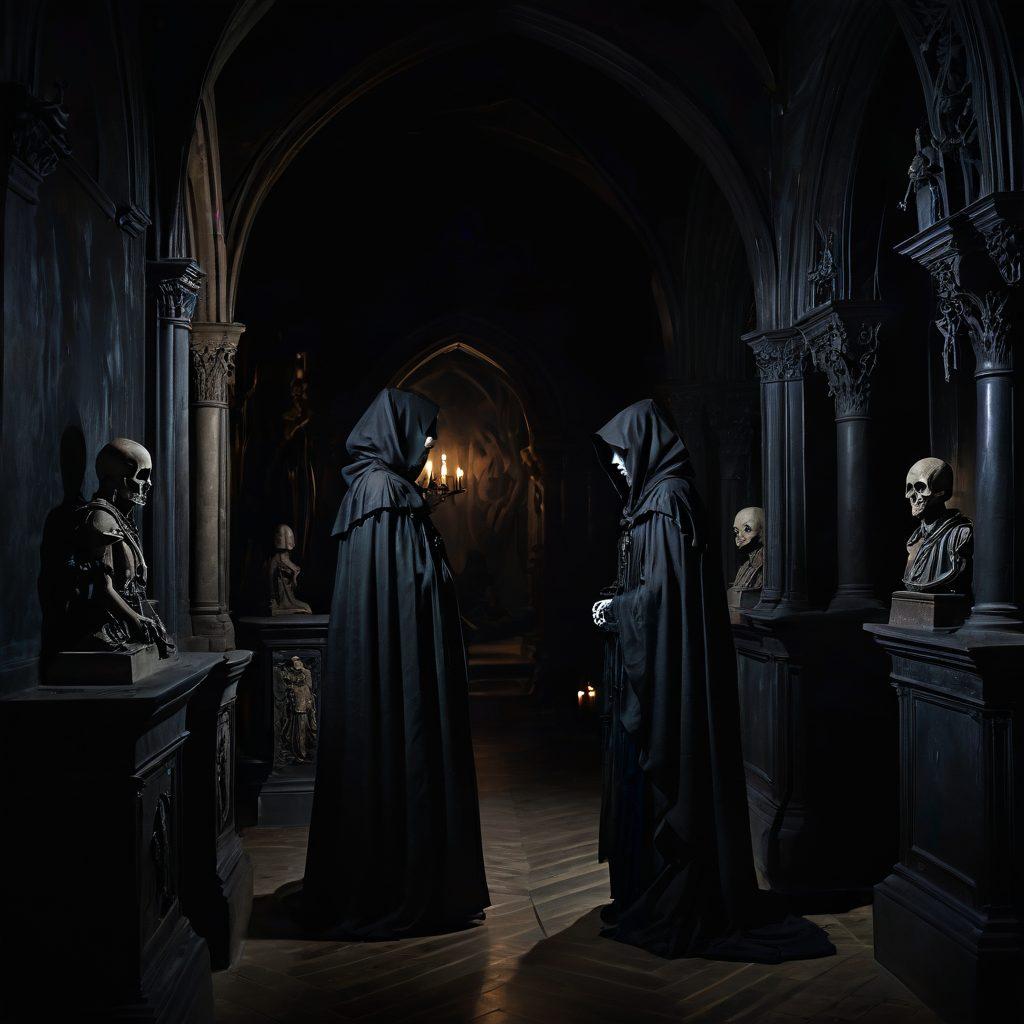
Daring artists today are diving into the abyss, crafting pieces of disturbing art that leave indelible marks on the psyche. Through the eerie corridors of creepy art, creators like Mark Powell and Patricia Piccinini are capturing the essence of what it means to be human—or something far more grotesque and unsettling. The works aren't merely designed to shock; they evoke deeper questions, engaging viewers in a dialogue about mortality, ethics, and the darker side of human nature. As creepy and macabre as it may be, this horrific art is a mirror reflecting our internal and external worlds, shrouded in shadow and mystery.
For those unfamiliar with gothic art or horror art, it might seem like these pieces serve only a niche audience. However, the themes of macabre art are universally relatable. Who among us hasn't encountered nightmares, fears of the unknown, or unsettling thoughts that creep up in the dead of night? This spooky art seizes upon these universal experiences, often amplifying them to nightmarish proportions. With influences ranging from the historical torture chambers of the Inquisition to the avant-garde horror art movements of the 21st century, the genre uniquely blends historical and contemporary elements, making it both timeless and modern.
Artists like Hieronymus Bosch, H.R. Giger, and Zdzisław Beksiński have paved the way for contemporary creatives, who merge surreal art with dystopian visions. Through psychologically intense and sometimes grotesque art, they provoke an array of emotions, from existential horror to a fascination with the phantasmagoric. These pieces of nightmare art and existential art are not only visually compelling but often serve as a form of social and political critique. They can expose the horrors of systemic issues or the psychological toll of living in a dystopian society. In this way, they function as both art and rebellion—a rebellion against sanitized and palatable representations of reality.
So, what does the future hold for unsettling art in the modern era? One can only speculate, but it is clear that the boundaries will continue to be pushed, and the envelope of what is considered 'acceptable' will keep expanding. Occult art and alternative art will likely merge with other genres, resulting in new subgenres that further challenge and alienate the status quo. As audiences become desensitized to mainstream horror, artists must venture into even darker, more taboo, and rebellious territories. In doing so, they keep the spirit of tortured creativity alive—continuing to unsettle, provoke, and perhaps even inspire. After all, in the words of Edgar Allan Poe, 'All that we see or seem is but a dream within a dream.'
The Gothic Revival: Understanding the Haunting Allure of Creepy and Grotesque Art
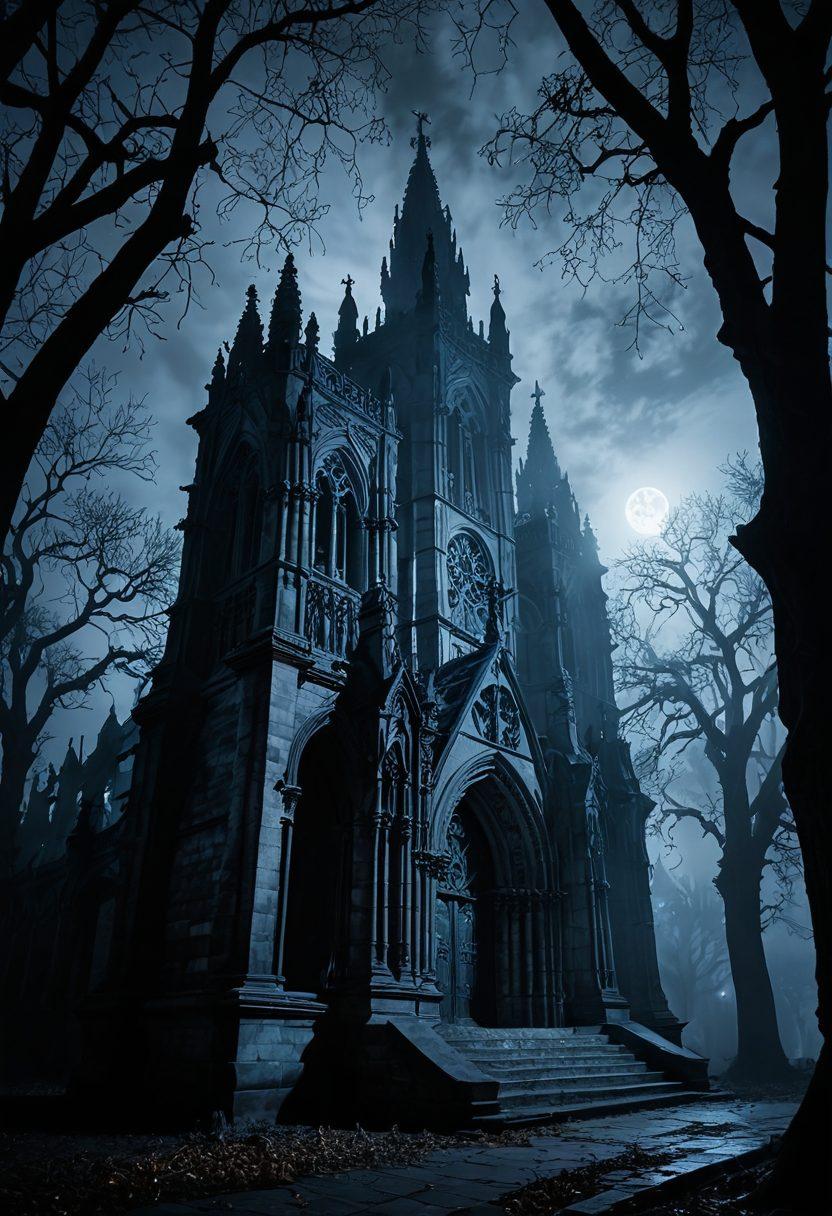
There's something innately fascinating about the darker side of art—something that beckons, repels, and engages us all at the same time. This eerie allure, often manifested in grotesque, spooky art forms, is not a new phenomenon. Known as the Gothic Revival, it has resurfaced in the modern era, bringing with it a renewed appreciation for discomfort and the macabre. But what is it about creepy art, filled with images of torture and dystopian landscapes, that continues to captivate the contemporary audience?
One might argue that macabre art, especially that which delves into the realms of psychological horror art, resonates with our innermost fears and anxieties. The phantasmagoric and nightmarish elements of these works dare us to look within and confront the parts of ourselves we often prefer to ignore. Whether it's a shocking piece of dark art or a hauntingly surreal installation, there’s an undeniable sense of fascination in the challenge they present to our psyche.
Artists like H.R. Giger and Zdzisław Beksiński, who are often attributed with creating nightmare art and grotesque art, have developed a cult following for their provocative and disturbing interpretations of the human condition. Their work treads the fine line between horror art and avant-garde art, presenting evocative images that can be as alienating as they are enlightening. 'Why does this strange and unsettling art speak to me?' you might ask. Both Giger and Beksiński, along with other maestros of this genre, compel us to see beauty in the bizarre and the grotesque.
Interestingly, the popularity of dystopian art and controversial art forms has surged in recent years, coinciding with societal and political uncertainties. Here, dark art acts as a rebellious art form, questioning mainstream norms and pushing back against conventional aesthetics. It's edgy and provocative, often criticized for being too taboo. Yet, this alternative art is increasingly embraced by audiences seeking something more resonant and real. We find ourselves drawn to the visceral impact of disturbing visuals, perhaps as a form of catharsis or introspection.
The Gothic Revival isn't just about revisiting old themes; it's also about innovating within the realm of subversive and outsider art. Visionary artists blend surreal, supernatural art with existential motifs, crafting pieces that linger long in the mind. Whether it’s the surreal landscapes reminiscent of Salvador Dalí or the occult art inspired by medieval mythology, these works evoke a haunting, unplaceable feeling—a testament to their power. So, the next time you encounter a piece of morbid art that unsettles you to your core, take a moment to ponder: Is the horror merely a reflection of a darker world, or is it a mirror to the darkness within us all?
Dark Visions: Exploring the Intersection of Psychological Horror and Avant-Garde Creativity
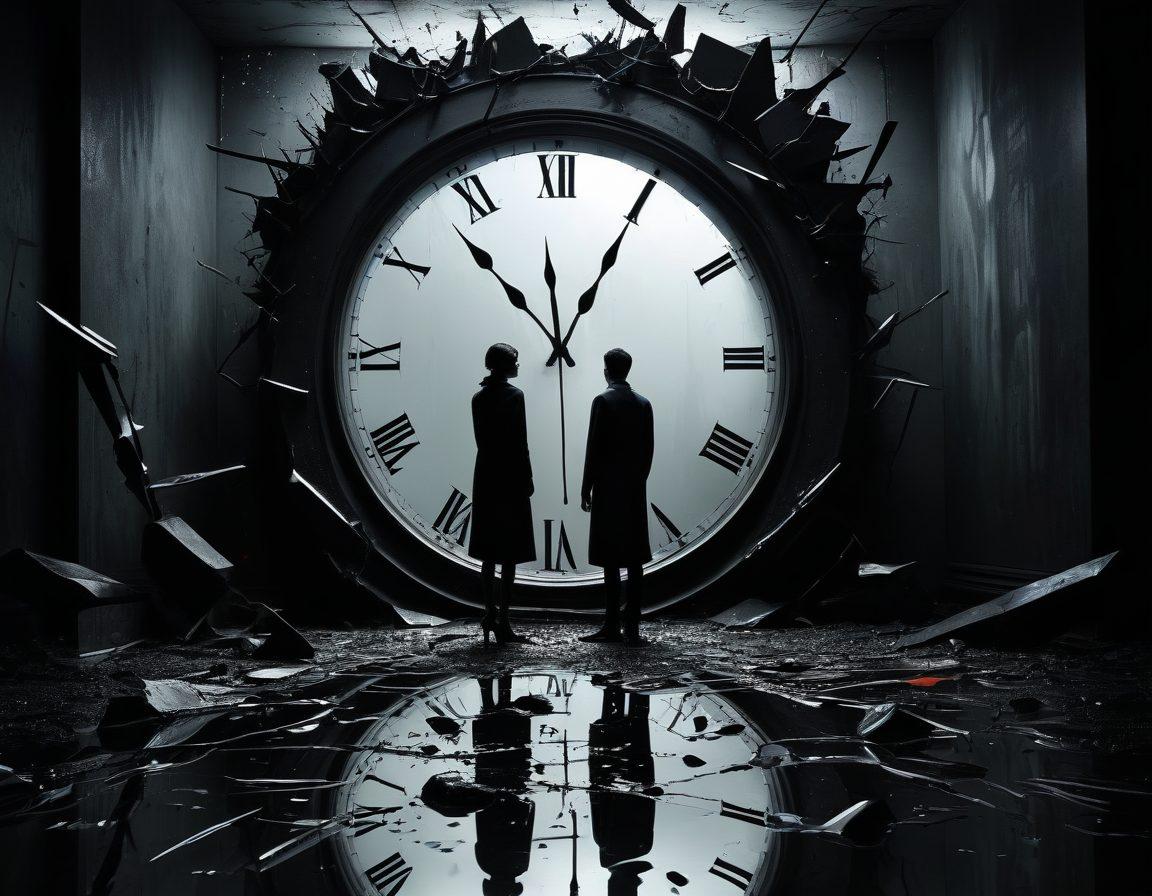
Imagine walking through a gallery where the walls seem to pulse with emotion and the air is thick with unease. This is the world of dark art—a realm where gothic art, macabre art, and horror art coexist in a haunting ballet. These works are not for the faint-hearted but for those willing to confront the shadows within, to explore the depths of human fear and psychological turmoil. It's a daring combination of torture art and surreal art, where avant-garde creativity meets the darkest corners of the human psyche.
What draws someone to create disturbing art? One artist might say it's the urge to rebel against conventional beauty, another might confess an obsession with morbid art. In a fascinating twist, this kind of provocative art can also be deeply introspective, forcing both the creator and the viewer to face their own fears and anxieties. Who would have thought that unsettling art could be a form of self-discovery, a way to navigate the labyrinth of the mind? The unsettling visions transform into a phantasmagoric kaleidoscope of nightmare art, ultimately serving as an unspoken dialogue between the artist and the observer.
Take, for instance, the new wave of dystopian art; these pieces are often eerie and alienating yet deeply resonant. They challenge societal norms and provoke thought, acting as a mirror to our own worst nightmares. From the grotesque art that makes your skin crawl to the taboo art that questions the very fabric of our morals, these masterpieces compel us to question what lies beyond the surface. It's as though each piece whispers a haunting question: 'What are you really afraid of?' It's a testament to the power of visionary art that these images can evoke such a visceral reaction.
The intersection of psychological horror art and avant-garde creativity isn't just artistically groundbreaking; it's a rebellion against the sanitized and the mundane. This edgy art is subversive by nature, always pushing the envelope, always demanding a reaction. Is this what makes it so controversial? Possibly. And yet, there's a beauty in the grotesque, a kind of twisted elegance in the eeriness of supernatural art. It's like stepping into an alternative art universe where the rules are different and where the darkest scenarios are not just embraced but celebrated.
In this darkened gallery, you find works that explore occult art intertwined with existential art, evoking feelings of dread and wonder simultaneously. These pieces are more than just creepy art; they are a compelling declaration of the fears and dreams that haunt us. Each stroke of the brush, each shadowy figure, serves as a reminder that there is a fine line between beauty and horror. Perhaps that's the ultimate allure of this genre: it forces us to confront the darkness while enticing us with its unearthly beauty. This duality ensures that dark art will always remain an enigma, a spellbinding interplay between our deepest fears and wildest imaginations.